
The Mediterranean region has long been celebrated for its rich cultural heritage, breathtaking landscapes, and culinary mastery. Among its many gifts to the world, olive oil stands out as a golden elixir, embodying the essence of health, tradition, and elegance. Mediterranean olive oil is more than just a kitchen staple—it is a symbol of refinement and history.
The Art of Olive Cultivation
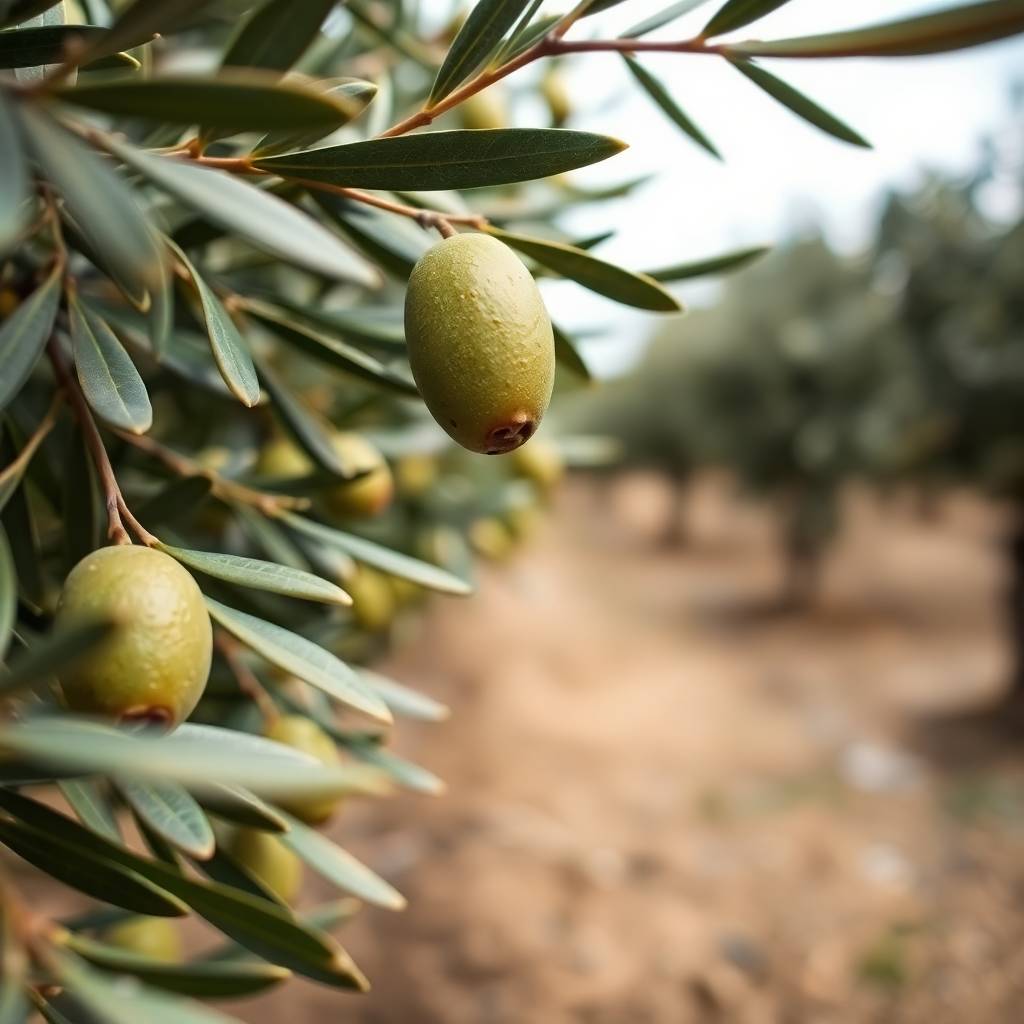
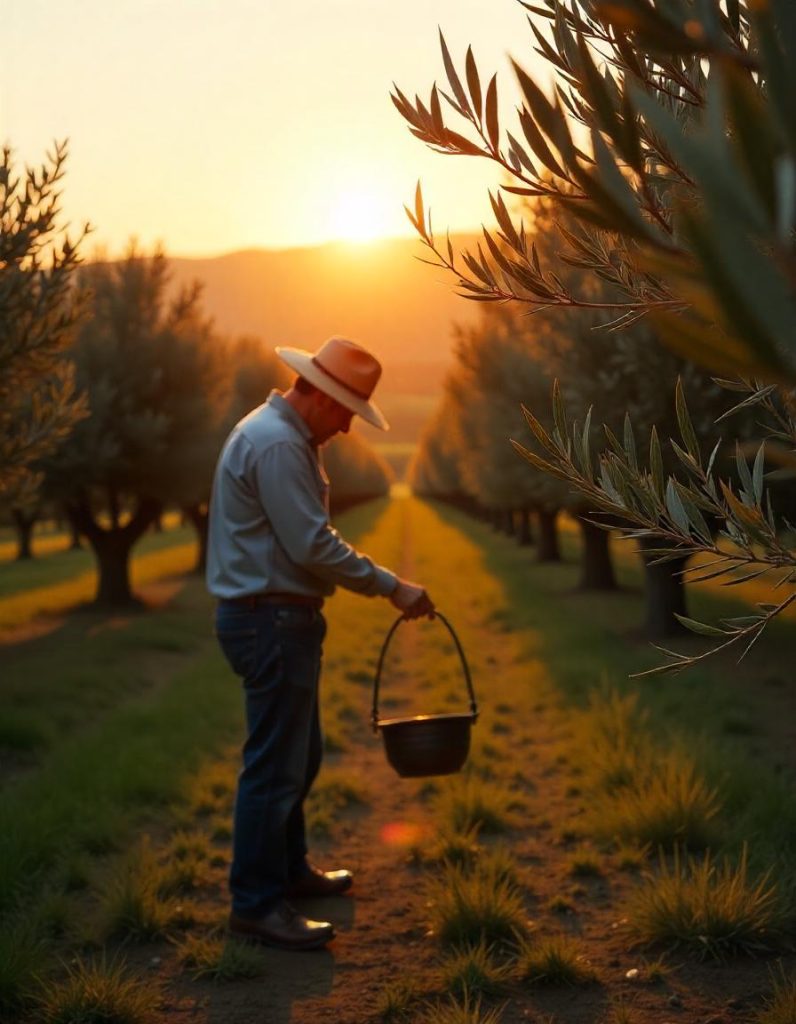
The production of Mediterranean olive oil is an art perfected over millennia. The region’s unique climate—warm summers, mild winters, and fertile soil—provides the ideal conditions for olive trees to flourish. Generations of farmers have honed their craft, carefully selecting the best olive varieties and employing traditional harvesting methods. Hand-picking and cold-pressing techniques ensure that the oil retains its purity, flavor, and nutritional value, making it a true testament to nature’s bounty.
Liquid Gold: Flavor and Aroma
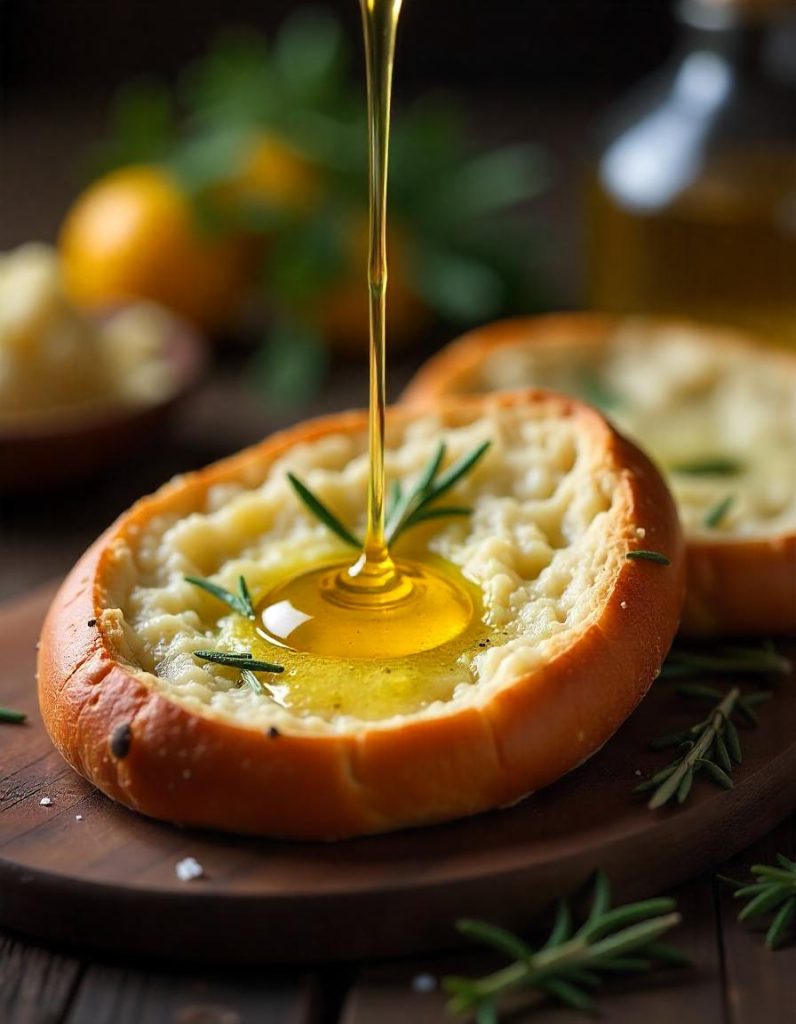
The apulian sea contributes a flavor profile at the olive oil. Olive oil many rich and robust, carries hints of almonds and ripe tomatoes. The varieties, known for their grassy, peppery notes, elevate pasta dishes and salads. Its bold, fruity essence, adds depth to Mediterranean delicacies. This diversity allows chefs and food enthusiasts to explore a spectrum of tastes, enhancing their gastronomic experiences.
Health Benefits and Longevity
Beyond its exquisite flavor, Mediterranean olive oil is renowned for its health benefits. Rich in monounsaturated fats, antioxidants, and anti-inflammatory properties, it plays a pivotal role in the Mediterranean diet—a lifestyle associated with longevity and well-being. Studies have shown that regular consumption of high-quality olive oil supports heart health, reduces the risk of chronic diseases, and promotes brain function. It is no wonder that Mediterranean populations, who have embraced this liquid gold for centuries, boast some of the highest life expectancies in the world.
 No products in the cart.